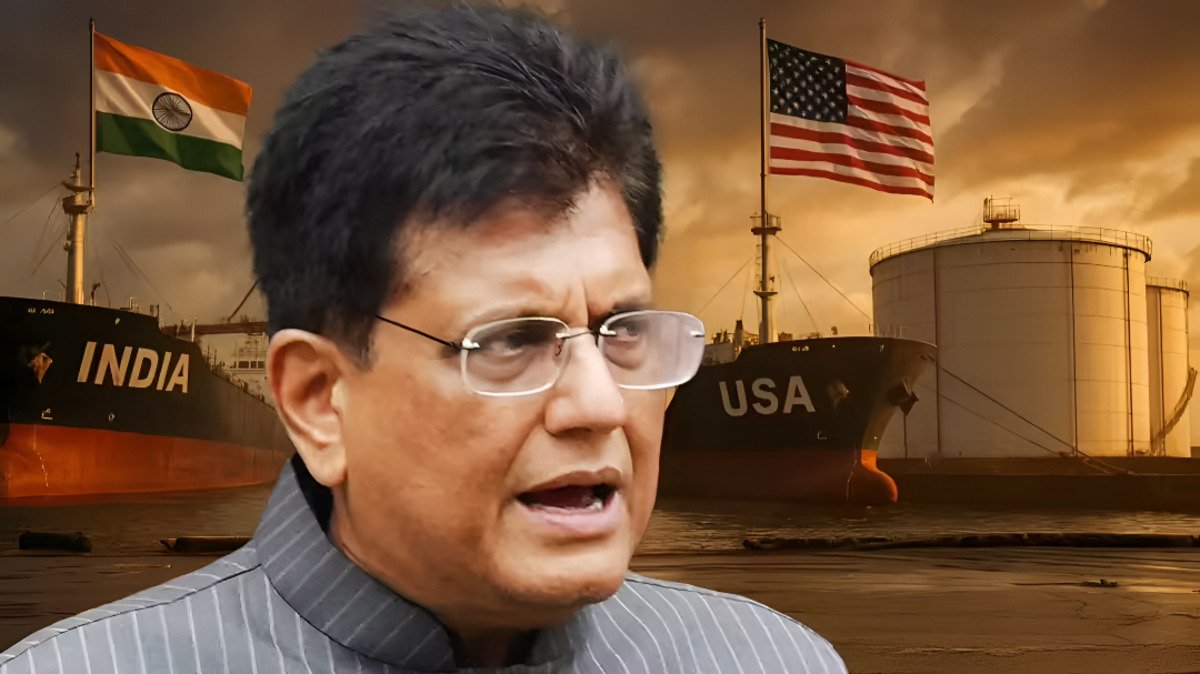

India’s Commerce and Industry Minister Piyush Goyal recently made it clear that the India–US trade deal is not fixed forever. Speaking about the evolving global economy, he said the agreement may be “rebalanced” if circumstances change. His statement highlights a practical and flexible approach rather than a rigid one. Trade agreements, he explained, must reflect real-world conditions, not just past assumptions.
Why Trade Rebalancing Matters
Trade rebalancing does not mean breaking an agreement. Instead, it means reviewing terms to ensure fairness. Over time, economic realities can change—currency values fluctuate, demand shifts, and domestic industries evolve. When this happens, trade deals may need adjustments to stay relevant. For India, protecting local industries and jobs is a key priority. If imports rise too fast or exports face barriers, the trade balance can tilt. Goyal emphasized that India will always safeguard its national interest, while still supporting open and fair trade.
United States Perspective
The United States remains one of India’s largest trading partners. American companies benefit from India’s growing market, while Indian exporters rely heavily on U.S. demand. From Washington’s point of view, stability and predictability in trade relations are important. However, U.S. policymakers also reassess trade ties based on domestic priorities such as manufacturing, employment, and supply security. This shared habit of reviewing trade terms makes rebalancing a normal part of international economic relations, not a sign of conflict.
What Could Trigger a Rebalance
Several factors could lead to a review of the India–US trade deal. These include changes in tariffs, new trade regulations, shifts in technology policy, or global economic slowdowns. If one country feels disadvantaged due to new developments, discussions may reopen.
Impact on Businesses and Consumers
For businesses, the idea of rebalancing may sound concerning at first. But in reality, it can create more balanced and sustainable trade. Indian exporters could gain better access to U.S. markets, while American firms may receive clearer rules when operating in India.
Looking Ahead
The message from Piyush Goyal is simple: trade partnerships must evolve. The India–US relationship is strong, but strength comes from the ability to adapt. Rebalancing, if needed, would aim to keep the partnership fair, modern, and beneficial to both nations.